
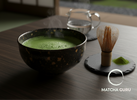
The Emerald Elixir: A Thousand-Year Journey of Matcha
2 min reading time
2 min reading time
Step beyond the modern latte and into a thousand-year-old art form. From the sacred Zen monasteries of ancient Japan to the noble courts of the Samurai, matcha has long been revered as more than just a beverage. It is a vehicle for mindfulness and a masterpiece of Japanese heritage.
Matcha is more than a vibrant green latte or a modern superfood; it is a millennium-old art form. To sip our Grand Tea Ceremony Select is to participate in a storied tradition that spans ancient dynasties and Zen monasteries.
While matcha is synonymous with Japan today, its story began in Tang Dynasty China (7th–10th centuries). Originally, tea leaves were steamed and pressed into "bricks" for preservation and trade along the Silk Road.
By the Song Dynasty, this evolved into a sophisticated ritual where tea was stone-ground into a fine powder and whisked into a frothy, vibrant liquid. Although this practice eventually faded in China, it found a permanent, spiritual home across the sea.
In 1191, the Japanese monk Myoan Eisai returned from China with Zen teachings and the secret of powdered tea. Eisai championed matcha as a potent medicine for the body and a vital tool for the mind.
Mindfulness: The unique combination of caffeine and L-theanine provides a state of "calm alertness".
Meditation: This became essential for Zen monks during long sessions of zazen (seated meditation).
The Uji Terroir: Eisai’s followers eventually planted seeds in Uji, a region famous for its misty climate and perfect soil—the same region where our premium matcha is sourced today.

Matcha soon moved from monasteries to the palaces of the Samurai, where it became a symbol of wealth and refined taste. It was during this era that Japan perfected the art of matcha production through two key innovations:
Shade-Growing (Ooishita): Farmers discovered that shielding plants from sunlight for weeks before harvest forced the leaves to overproduce chlorophyll.
The Umami Profile: This process dramatically increased L-theanine, resulting in the intense emerald color and the sweet, savory umami flavor that defines our Grand Tea Ceremony grade.
The ultimate refinement of matcha occurred in the 16th century under the tea master Sen no Rikyū. He established the four pillars of the Japanese Tea Ceremony (Chanoyu):
Harmony (Wa)
Respect (Kei)
Purity (Sei)
Tranquility (Jaku)
Rikyū championed the philosophy of Wabi-cha, finding beauty in simplicity and the natural world. Under his influence, drinking a bowl of tea became a meditative ritual—a path to peace found in a single, deliberate moment.

Today, matcha has experienced a global resurgence, found in everything from smoothies to lattes. Yet, for the connoisseur, the essence remains unchanged.
When you whisk a bowl of Grand Tea Ceremony Select, you are not just preparing a drink; you are connecting to a thousand years of history. You are sipping the emerald elixir of quiet harmony.


R 325.00 R 325.00/50g


